
Our Product
Palm Kernel Shell Biochar
Palm kernel shell biochar is a carbon-rich material produced through pyrolysis of palm kernel shells, offering high stability in soil, excellent carbon sequestration potential, and improved water and nutrient retention, making it valuable for agriculture and climate mitigation.
Overview
What is Palm Kernel Shell Biochar?
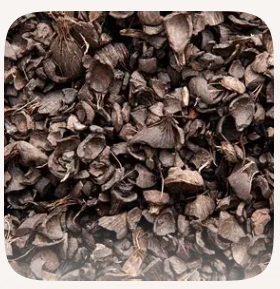
- Palm kernel shells are the hard endocarp of oil palm fruits, usually considered agricultural waste.
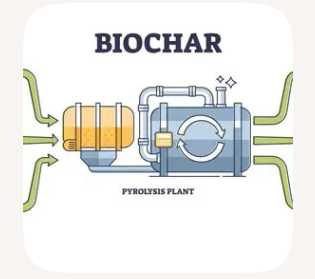
- Through pyrolysis (heating in the absence of oxygen at 400–600°C), these shells are converted into biochar.
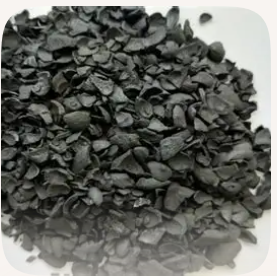
- The resulting biochar is a porous, black material with high carbon content and alkaline pH.
Key Specifications
Built for Performance
Every batch meets rigorous quality standards for calorific value, ash content, and export durability.
High Calorific Value
Efficient energy output for industrial fuel substitution, delivering reliable combustion performance for power generation and manufacturing.
Low Ash Content
Cleaner combustion with reduced residue, minimizing maintenance costs and improving operational efficiency for industrial users.
Carbon-Negative
Supports carbon credit and sequestration projects, helping partners meet sustainability targets and regulatory requirements.
Moisture-Proof Packaging
Engineered packaging ensures product quality during long-distance international shipping and extended storage periods.
Key Characteristics
Scientific Properties of PKS Biochar
Palm kernel shell biochar undergoes significant property improvements through pyrolysis, making it superior to raw shells for both industrial and agricultural use.
Carbon Content
Increases from ~46% in raw shells to ~73% after pyrolysis, delivering exceptional carbon density for fuel and sequestration applications.
Long-Term Stability
Low hydrogen-to-carbon (H/C) and oxygen-to-carbon (O/C) ratios (0.32–0.54 and 0.08–0.21) indicate long-term stability in soil.
Surface Area
Expands from 106 m²/g (raw) to 329 m²/g at 600°C, enhancing adsorption capacity for nutrients and contaminants.
Alkaline pH
Strongly alkaline (9.3–12.0), useful for neutralizing acidic soils and improving soil chemistry.
Water Retention
Improves significantly, holding up to 6.21 g water per 10 g biochar at 500°C pyrolysis temperature.
Nutrient Retention
Increases cation exchange capacity (CEC), particularly at lower pyrolysis temperatures (400°C).
Technical Details
Product Specifications
| Carbon Content | ~73% (up from ~46% in raw shells) |
| Surface Area | 329 m²/g at 600°C (106 m²/g raw) |
| pH | 9.3–12.0 (strongly alkaline) |
| Water Retention | 6.21 g per 10 g biochar at 500°C |
| CEC | 4.44 cmol/kg at 400°C (3.00 cmol/kg raw) |
| H/C Ratio | 0.32–0.54 (long-term soil stability) |
| O/C Ratio | 0.08–0.21 (long-term soil stability) |
| Pyrolysis Temperature | 400–600°C in low-oxygen environment |
| Appearance | Black, porous, lightweight material |
| Origin | Nigeria, palm oil industry byproduct |
| Applications | Industrial fuel, soil amendment, carbon credits, waste valorization |
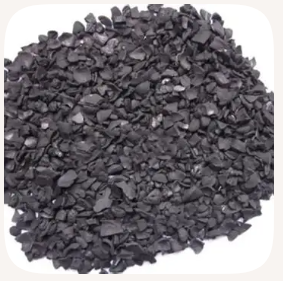
Palm Kernel Shell Biochar
- Appearance
- Black, porous, lightweight material.
- Properties
- High carbon content (~73%), alkaline pH (9–12), large surface area (up to 329 m²/g).
- Uses
- Soil amendment, water retention, nutrient adsorption, and long-term carbon storage.
Quick Comparison
Raw Shells vs. PKS Biochar
Pyrolysis transforms palm kernel shells into a superior product with dramatically improved properties across every key metric.
| Property | Raw Palm Kernel Shells | PKS Biochar |
|---|---|---|
| Carbon content | ~46% | ~73% |
| Surface area | 106 m²/g | 329 m²/g |
| pH | Neutral | 9.3–12.0 (alkaline) |
| Water retention | 2.23 g/10 g | 6.21 g/10 g |
| CEC | 3.00 cmol/kg | 4.44 cmol/kg (at 400°C) |
Production
Process of Making Palm Kernel Shell Biochar
A controlled five-step process converts agricultural waste into export-grade biochar.
Collection
Palm kernel shells collected as waste from palm oil mills across Nigeria's agricultural regions.
Drying
Moisture is reduced to prepare the shells for controlled pyrolysis processing.
Pyrolysis
Shells are heated at 400–600°C in a low-oxygen environment, converting biomass into carbon-rich biochar.
Biochar Formation
Carbon-rich, porous material is produced with high stability and enhanced surface properties.
Cooling & Storage
Biochar is stabilized, moisture-proof packaged, and stored for export to international partners.
Applications
Use Cases
Versatile biochar solutions for industrial, agricultural, and environmental applications worldwide.
Industrial Fuel Substitution
Replace conventional fossil fuels in manufacturing, cement production, and power generation with a renewable, high-calorific alternative.
Soil Enrichment
Enhance agricultural productivity through biochar application, improving soil structure, water retention, and nutrient availability.
Carbon Sequestration
Stores carbon long-term, reducing greenhouse gas emissions and supporting corporate sustainability programs and carbon credit projects.
Waste Management
Provides a sustainable use for palm oil industry residues, converting agricultural waste into a valuable export product.
Energy Co-Products
Pyrolysis also yields syngas and bio-oil, which can be used as renewable energy sources alongside biochar production.
Soil Science
How Biochar Improves Soil
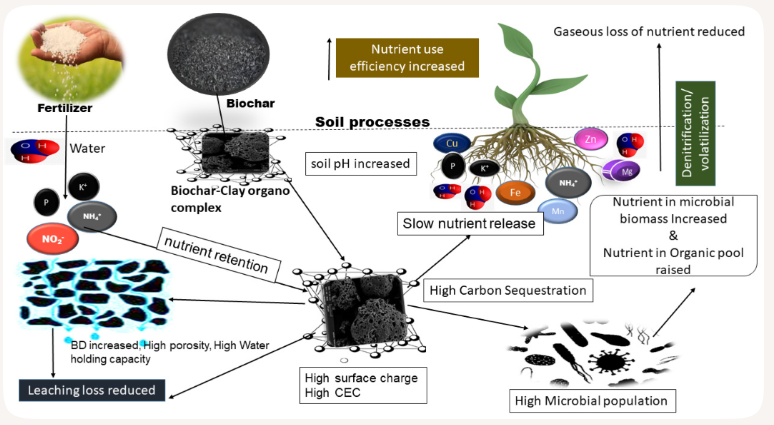
Biochar creates a biochar-clay organo complex in soil that increases nutrient use efficiency, reduces gaseous and leaching losses, and supports high microbial populations.
- Nutrient use efficiency increased
- Gaseous loss of nutrients reduced
- Soil pH increased
- High porosity and water holding capacity
- Leaching loss reduced
- High microbial population and organic nutrient pool
Benefits
Key Applications
Soil Amendment
Enhances fertility, water retention, and microbial activity in low-quality soils.
Carbon Sequestration
Stores carbon long-term, reducing greenhouse gas emissions and supporting climate mitigation goals.
Waste Management
Provides a sustainable use for palm oil industry residues, turning agricultural waste into export value.
Energy Co-Products
Pyrolysis also yields syngas and bio-oil, which can be used as renewable energy sources.
Carbon Sequestration & Credit Eligibility
Our palm kernel shell biochar qualifies for carbon credit and sequestration projects. The pyrolysis process locks atmospheric carbon into a stable solid form with a residence time measured in centuries, making it one of the most durable carbon removal solutions available to industrial partners today.
Discuss Carbon Credit Partnerships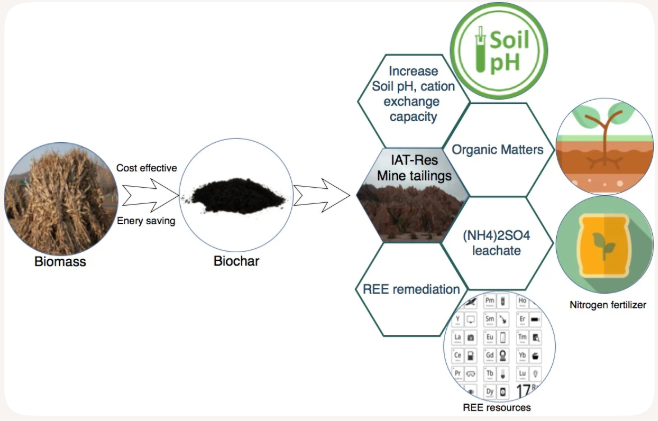
Sustainability
Sustainable Approach and Safe Use of Biochar
Our biochar production follows a cost-effective, energy-saving process that converts agricultural biomass into a versatile material with wide-ranging environmental benefits.
Soil pH & CEC Improvement
Increases soil pH and cation exchange capacity, improving nutrient availability and soil chemistry.
Organic Matter Addition
Adds stable organic matter to depleted soils, supporting long-term fertility and microbial activity.
Nutrient Management
Helps manage (NH₄)₂SO₄ leachate and supports nitrogen fertilizer efficiency in agricultural systems.
Environmental Remediation
Supports remediation of contaminated sites including mine tailings and rare earth element (REE) recovery projects.
Considerations
Challenges & Safe Use
Understanding application requirements ensures optimal results for every use case.
Production Cost
Requires controlled pyrolysis equipment, which may be expensive for small-scale operations, our industrial-scale processing ensures cost-effective supply.
Soil Compatibility
High alkalinity may not suit all soil types; careful application rates are needed for optimal agricultural results.
Scalability
Large-scale adoption depends on palm oil industry waste management policies and farmer awareness, we address this through reliable export supply chains.
Need a Custom Supply Agreement?
We offer flexible volume arrangements and tailored logistics for industrial buyers across Europe, the Middle East, and Asia.
Get in Touch